

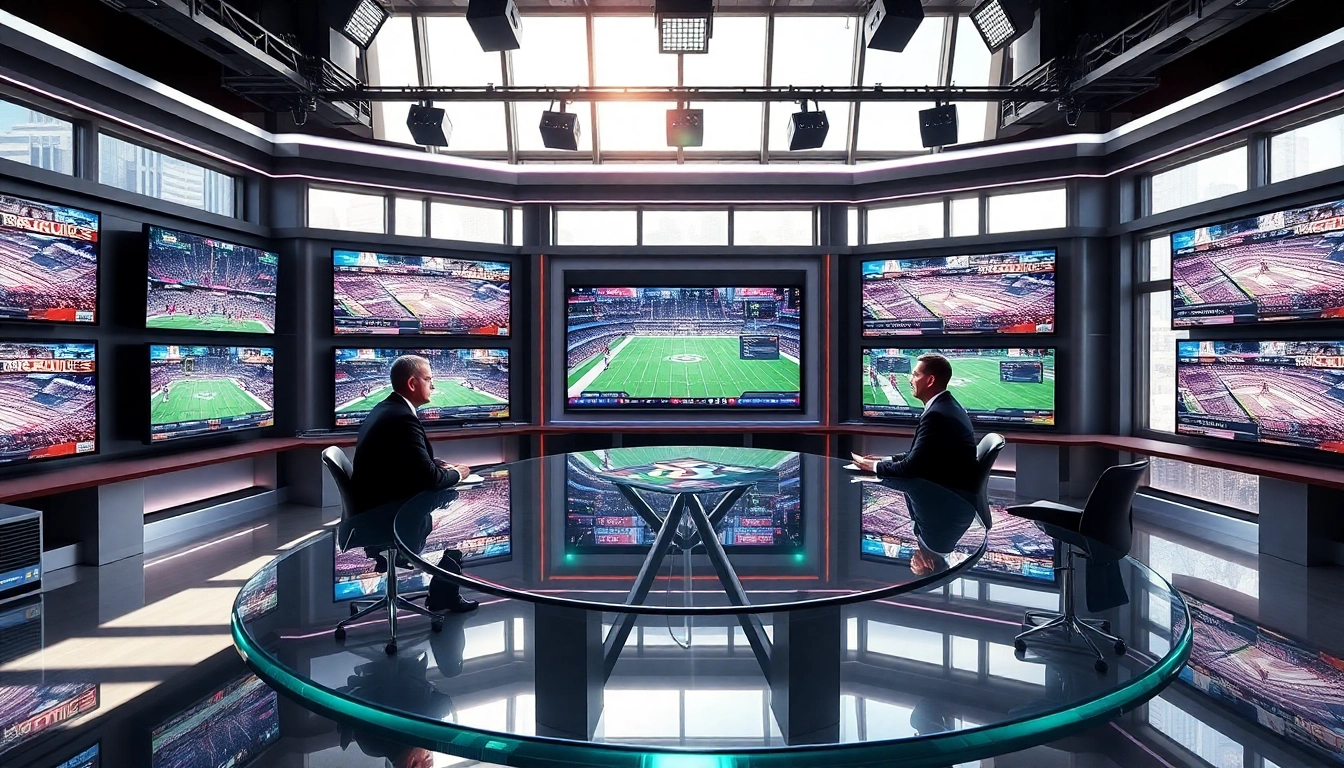
Understanding the Basics of Sports Broadcasting
As technology evolves, the realm of Sports Broadcasting becomes more intricate and varied. It plays a crucial role in how audiences experience sporting events, transcending mere entertainment. In this article, we will delve into the fundamentals of sports broadcasting, examining its role in media, the key components involved, and the various platforms available.
The Role of Sports Broadcasting in Media
Sports broadcasting acts as a bridge between the event and the audience, facilitating the dissemination of real-time information. It enables fans to connect with their favorite sports, players, and teams across various media platforms. Broadcasters provide commentary, analysis, and insights that enhance the viewing experience. This engagement not only strengthens the relationship between fans and sports but also drives significant revenue for media networks through advertising and sponsorships.
Key Components of Sports Broadcasting
Successful sports broadcasting hinges on several components, including:
- Commentary: Expert commentators provide play-by-play descriptions and analysis, offering context and knowledge that enhances viewer understanding.
- Production: The behind-the-scenes work of production teams ensures the quality and flow of broadcasts, involving directors, producers, and technical staff.
- Graphics and Data Visualization: Real-time statistics and graphics enrich the broadcast experience, giving viewers crucial insights into gameplay, player performance, and analytics.
Types of Sports Broadcasting Platforms
With the advent of the digital age, various platforms have emerged for sports broadcasting:
- Traditional Television: Cable and satellite providers continue to dominate in terms of viewer reach, offering dedicated sports channels.
- Online Streaming: Services like OTT platforms have transformed viewing habits, providing flexibility for fans to watch sports on-demand.
- Radio Broadcasting: Despite being overshadowed by visual media, radio remains a viable platform, particularly for live commentary and updates.
Essential Equipment for Effective Sports Broadcasting
High-quality broadcasting requires robust technical equipment. The right tools ensure that the broadcast is clear and engaging, providing a seamless experience for viewers.
Cameras and Visual Gear for Broadcasting
Cameras are at the heart of sports broadcasting. High-definition (HD) cameras capable of slow-motion playback, along with various lenses, are critical for capturing the action. Additionally:
- Camera Positioning: Strategically positioned cameras provide different viewing angles, enhancing the storytelling aspect of the broadcast.
- Drone Cameras: These offer aerial views of events, bringing a new dimension to sports coverage.
Audio Equipment for Clear Commentary
Clear audio is essential for commentary and viewer engagement. Key audio equipment includes:
- Microphones: High-quality microphones for commentators capture clear audio, ensuring fans hear every call.
- Mixing Consoles: These devices allow audio engineers to balance sound levels for commentary, crowd noise, and entertainment segments.
Broadcasting Software and Tools
The integration of software in sports broadcasting enables seamless production and distribution. Tools used include:
- Live Streaming Software: Programs such as OBS Studio and vMix facilitate the streaming of live events, allowing for direct audience engagement.
- Editing Software: Post-production software like Adobe Premiere Pro helps in creating highlight reels and recap shows.
Understanding Audience Engagement in Sports Broadcasting
Engaging the audience is a critical aspect of successful sports broadcasting. The strategies employed not only retain viewership but also drive growth.
The Importance of Viewer Interaction
Viewer interaction fosters a sense of community among fans. Engaging with audiences through social media or live polls during broadcasts increases loyalty and provides valuable insights into viewer preferences.
Analyzing Audience Demographics
Understanding the demographics of the audience is vital for tailoring content. Data analysis provides insights into age, location, and preferences, enabling broadcasters to create targeted programming.
Engagement Strategies for Broadcast Channels
Effective engagement strategies include:
- Social Media Integration: Utilizing platforms like Twitter and Instagram to share live updates and behind-the-scenes content encourages audience interaction.
- Interactive Content: Polls, quizzes, and live chats during broadcasts keep viewers engaged and encourage participation.
Current Trends Shaping the Future of Sports Broadcasting
The landscape of sports broadcasting is continuously evolving, influenced by technology and changing viewer behaviors.
Impact of Streaming Services
Streaming platforms have disrupted traditional broadcasting, enabling fans to access a wider array of content. Services allow for binge-watching or sequential viewing of sports series and documentaries, enhancing the overall experience.
Emerging Technologies in Broadcasting
Technological advancements like Virtual Reality (VR) and Augmented Reality (AR) are set to redefine viewer experiences. These technologies offer immersive experiences that allow fans to feel part of the action.
Sustainability in Sports Broadcasting
As environmental awareness grows, sports broadcasters are implementing sustainable practices. This includes reducing carbon footprints through energy-efficient equipment and supporting eco-friendly events.
Measuring Success in Sports Broadcasting
To ensure continual improvement, broadcasters must establish metrics to measure success, using both quantitative and qualitative data.
Key Performance Indicators (KPIs) to Track
Important metrics to evaluate the performance of sports broadcasts include:
- Viewership Numbers: Tracking live viewership and unique audience statistics reveals engagement levels.
- Social Media Engagement: Likes, shares, and comments help measure audience interaction on social platforms.
Feedback and Adaptation Strategies
Gathering audience feedback is crucial. Surveys and focus groups provide insights that inform future broadcasts and enhance viewer satisfaction.
Case Studies of Successful Sports Broadcasting
Analyzing successful sports broadcasts reveals best practices. For example, broadcasts that implement viewer feedback successfully adjust content, catering to audience demands and preferences.
FAQs
What is sports broadcasting?
Sports broadcasting is the live transmission of sporting events through various media, including television, radio, and online platforms.
How do broadcasters prepare for live events?
Broadcasters research teams, players, and statistics, ensuring comprehensive coverage and informative commentary for the audience.
What technology is essential for sports broadcasting?
Key technologies include high-definition cameras, audio equipment, live streaming software, and graphics systems to enhance viewer experience.
How can sports broadcasters engage viewers?
Engagement can be achieved through interactive discussions, social media integration, and personalized viewer experiences based on analytics.
What trends are influencing sports broadcasting today?
Streaming services, social media interaction, and advancements in technology like VR are significantly reshaping the landscape of sports broadcasting.